
If you are an Electrical or Electronics Engineering student, you may often hear two popular career options: Industrial Automation and Robotics. Both are exciting. Both have good job scope. But they are not the same. Let us understand them in simple words so you can choose the right path.
What is Industrial Automation?
Industrial Automation is about automating machines and processes in factories to reduce manual work.
You will mostly work with:
-
PLC
-
SCADA
-
HMI
-
VFD
-
Sensors and control panels
Simple example:
A conveyor belt that automatically starts, stops, and sorts products using sensors and PLC logic.
Where jobs are available:
-
Manufacturing plants
-
Power plants
-
Chemical and food industries
-
Automotive factories
What is Robotics?
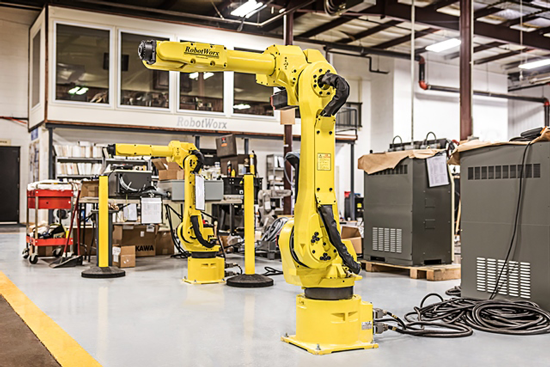
Robotics focuses on designing, programming, and controlling robots that can perform physical tasks.
You will mostly work with:
-
Robotic arms
-
Motors and drives
-
Robot programming
-
Vision systems
-
AI basics
Simple example:
A robotic arm that picks up car parts and places them accurately on an assembly line.
Where jobs are available:
-
Automotive companies
-
Robotics startups
-
Research labs
-
Smart manufacturing units
Quick Comparison
| Point | Industrial Automation | Robotics |
|---|---|---|
| Main focus | Process control | Machine movement |
| Coding level | Basic to medium | Medium to high |
| Job openings | Very high in India | Growing but limited |
| Best for | Core electrical students | Students who like mechanics + coding |
Which Should You Choose?
-
Choose Industrial Automation if you want faster job opportunities, strong demand, and work directly with factory systems.
-
Choose Robotics if you love machines, innovation, and advanced technology, and are ready for deeper learning.
Many students start with Industrial Automation and later move into Robotics. This is a smart and safe approach.
Career Tip for Students
In India, especially in manufacturing hubs, Industrial Automation skills like PLC, SCADA, and VFD are highly valued by companies. Learning these skills during college can give you a strong career start.
If you want practical exposure and industry-focused training, skill-based automation courses can help you move from classroom knowledge to real-world jobs.
