
Become an Automation Engineer with 100% Placement Assistance
Industrial automation is transforming industries across automotive, manufacturing, pharmaceuticals, food processing, and infrastructure sectors. As factories adopt smarter systems and automated production lines, the demand for skilled Automation Engineers continues to grow.
If you are an Electrical, Electronics, E&TC, Instrumentation, or Mechanical Engineering student, learning automation can open doors to exciting and high-growth career opportunities. The right training, combined with practical projects and placement support, can help you start your engineering career with confidence.
What Does an Automation Engineer Do?
An Automation Engineer works with systems that control machines and industrial processes automatically.
These professionals are responsible for:
- PLC Programming
- SCADA Development
- HMI Design
- VFD Configuration
- Industrial Networking
- Machine Troubleshooting
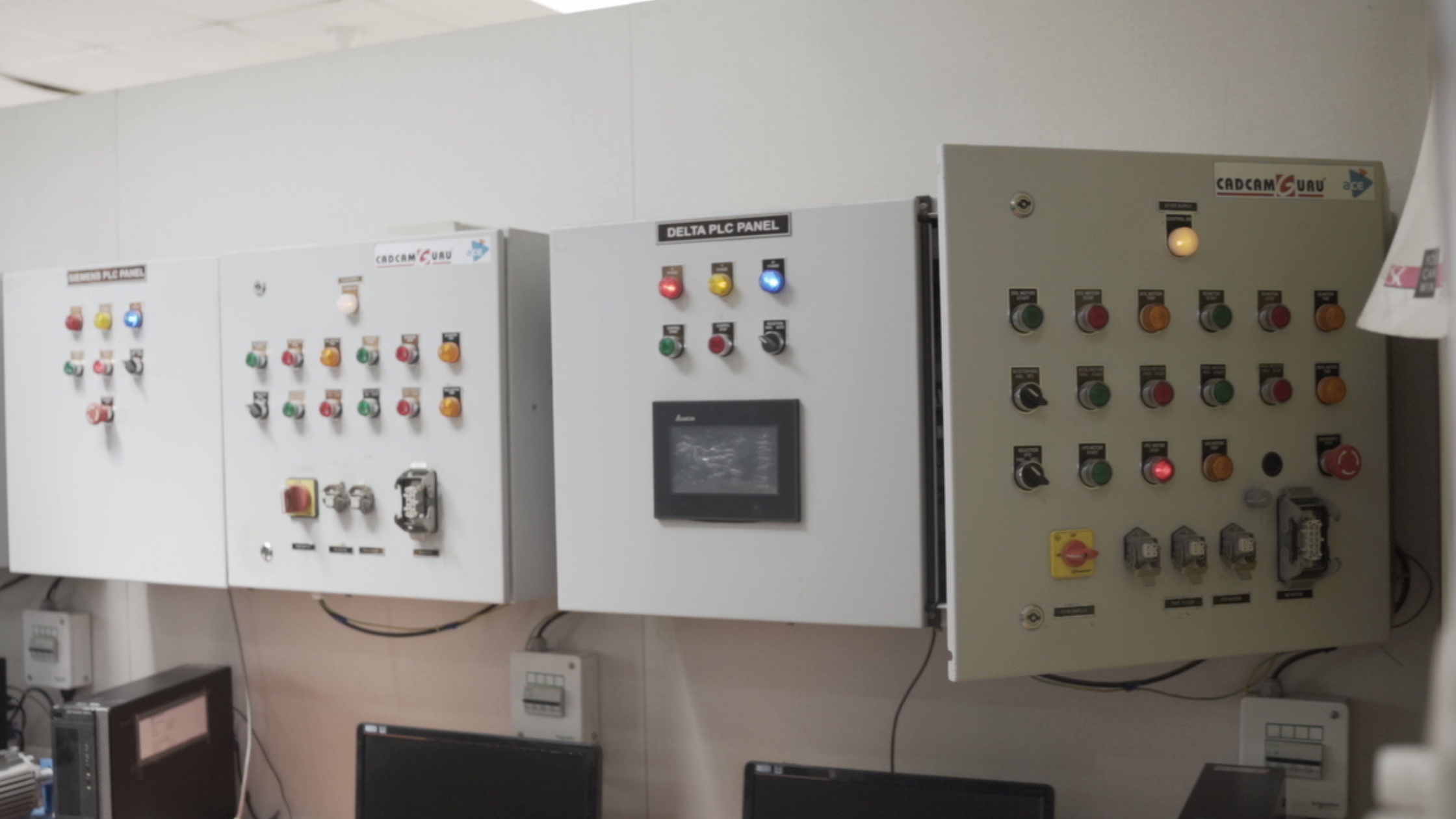
- Control Panel Understanding
- Process Automation
Automation Engineers play a key role in improving efficiency, productivity, and quality in modern industries.
Why Automation Engineering Is a Fast-Growing Career
Industries are increasingly investing in automation to improve production and minimize downtime.
Automation Engineers are required in:
- Automotive Manufacturing
- Food & Beverage Industries
- Pharmaceutical Companies
- Packaging Industries
- Chemical Plants
- Water Treatment Plants
- Industrial Machinery Manufacturing
- FMCG Industries
With Industry 4.0 and smart manufacturing becoming more common, skilled automation professionals are in high demand.
Skills Required to Become an Automation Engineer
Companies hiring freshers look for practical skills rather than theory alone.
Technical Skills
A job-ready Automation Engineer should understand:
- PLC Programming
- SCADA Systems
- HMI Development
- VFD Operations
- Electrical Drawings
- Sensors and Actuators
- Industrial Communication Protocols
- Control Panels
Professional Skills
Recruiters also value:
- Problem Solving
- Communication Skills
- Teamwork
- Project Execution
- Troubleshooting Ability
Developing both technical and professional skills improves employability significantly.
What You Will Learn in an Automation Engineering Course
A professional automation training program typically covers:
PLC Training
- Ladder Logic Programming
- Timers and Counters
- Digital Inputs and Outputs
- Industrial Applications
SCADA Training
- Process Monitoring
- Alarm Management
- Data Logging
- Supervisory Control
HMI Training
- Screen Development
- Process Visualization
- Machine Interfaces
- Operator Controls
Industrial Automation Concepts
- Sensors
- Motors
- VFDs
- Relays and Contactors
- Pneumatic Basics
- Electrical Control Systems
Practical exposure to these technologies makes students industry-ready.
Why Project-Based Learning Is Important
Many students complete training but struggle during interviews because they lack practical exposure.
Project-based learning helps students understand:
- Machine operation
- PLC logic implementation
- Process control systems
- Automation troubleshooting
- Industrial workflows
Working on real automation projects builds confidence and helps students answer technical interview questions more effectively.
Career Opportunities After Automation Training
After completing an automation course, students can pursue roles such as:
- Automation Engineer
- PLC Programmer
- SCADA Engineer
- HMI Developer
- Commissioning Engineer
- Service Engineer
- Control Systems Engineer
- Maintenance Engineer
- Automation Support Engineer
With experience, professionals can progress to senior engineering, project management, and automation consulting roles.
Why Placement Assistance Matters
Many students complete technical training but need guidance to secure their first job.
Placement-oriented learning helps students with:
- Resume Preparation
- Mock Interviews
- Aptitude Preparation
- Technical Interview Practice
- Industry Project Experience
- Job Opportunities through Recruiter Networks
This structured approach improves confidence during placement drives and recruitment processes.
Who Should Join an Automation Engineering Course?
This course is ideal for:
- Electrical Engineering Students
- Electronics Engineering Students
- E&TC Students
- Instrumentation Engineers
- Mechanical Engineering Students
- Diploma Holders
- Fresh Graduates
- Working Professionals Looking to Upskill
Even students with limited automation exposure can build strong career opportunities through systematic training.
Ready to Start Your Automation Engineering Career?
Automation Engineering is one of the most promising career paths for engineering students interested in industrial technology, smart manufacturing, and process control. Learning PLC, SCADA, HMI, VFDs, and industrial systems can help you become job-ready and improve your placement opportunities.
CADCAMGURU offers industry-focused Industrial Automation courses designed to help students gain practical skills, work on projects, and prepare for placements.
Apply for Industrial Automation Courses
Students who start preparing early often gain a competitive advantage during campus placements and fresher recruitment drives. New batches are starting soon.
Contact CADCAMGURU
Phone / WhatsApp: +91 9168603427 / +91 9168601733
Email: enquiry@cadcamguru.com
