Design Optimization of a Boiler: A Mechanical Engineering Internship Project
Mechanical engineering internships provide students with opportunities to work on real-world engineering challenges. One such industry-relevant project is the Design Optimization of a Boiler. This project helps students understand CAD design, thermal engineering concepts, structural analysis, material selection, and optimization techniques used in power plants, process industries, and manufacturing facilities.
Through this project, students learn how engineers improve boiler efficiency, reduce material consumption, and enhance operational safety while meeting industrial performance requirements.
What is a Boiler?
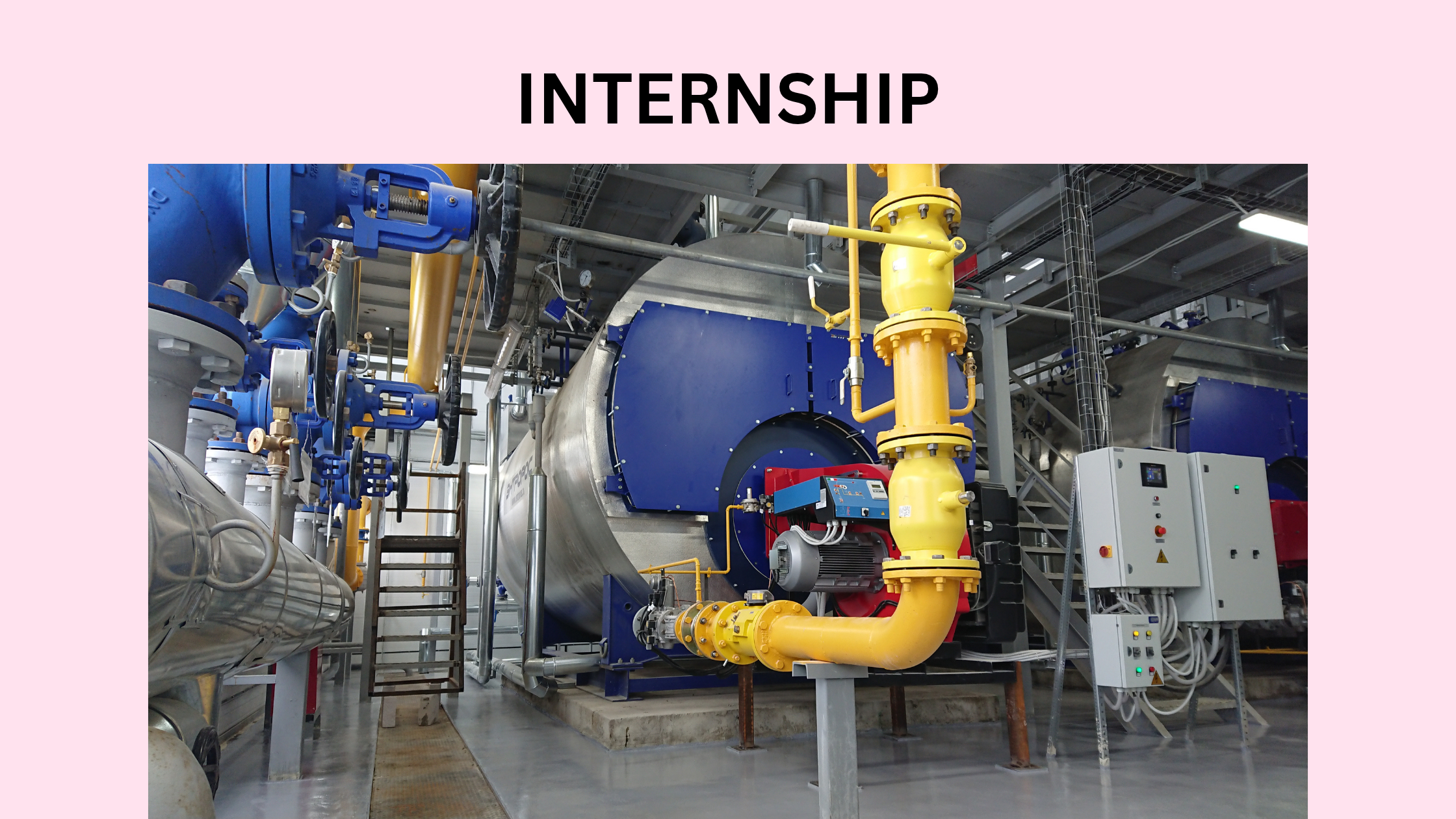
A boiler is a closed vessel used to generate steam or hot water by transferring heat to water. Boilers are widely used in:
- Power plants
- Manufacturing industries
- Food processing plants
- Chemical industries
- Pharmaceutical companies
- Textile industries
- Paper mills
Since boilers operate under high temperature and pressure conditions, their design must ensure efficiency, reliability, and safety.
Why is Boiler Design Optimization Important?
Industries continuously focus on reducing energy consumption and operating costs. An inefficient boiler can lead to:
- Higher fuel consumption
- Increased operational costs
- Heat losses
- Reduced efficiency
- Frequent maintenance issues
- Safety risks
Boiler optimization helps engineers improve performance while minimizing material and manufacturing costs.
Objectives of the Internship Project
The primary objective of this project is to analyze an existing boiler design and optimize it for improved performance and efficiency.
Students typically evaluate:
- Thermal performance
- Structural strength
- Stress distribution
- Heat transfer efficiency
- Material utilization
- Weight reduction opportunities
- Safety factors
This project gives students practical exposure to mechanical design and thermal engineering applications.
Step 1: Boiler CAD Design
The project begins with creating a detailed 3D boiler model using industry-standard CAD software.
Software Used
- CATIA
- NX CAD
- CREO
- SolidWorks
Students learn:
- 3D Modeling
- Assembly Design
- Pressure Vessel Components
- Engineering Drawings
- Design Modifications
This stage helps students understand the construction and design requirements of industrial boilers.
Step 2: Material Selection
Material selection is critical because boilers operate under high temperature and pressure conditions.
Common materials include:
- Carbon Steel
- Stainless Steel
- Alloy Steel
- Heat-Resistant Steel
Students compare material properties such as:
- Thermal Conductivity
- Yield Strength
- Temperature Resistance
- Corrosion Resistance
- Cost Effectiveness
Understanding material selection helps students make better engineering decisions during product development.
Step 3: Structural Analysis
After completing the CAD model, students perform structural analysis using Finite Element Analysis (FEA) tools.
Common Analysis Software
- ANSYS Workbench
- HyperMesh
- Abaqus
- NX CAE
Structural analysis helps evaluate:
- Stress Distribution
- Deformation
- Pressure Effects
- Failure-Prone Areas
- Safety Factor
This stage ensures that the boiler design can withstand actual operating conditions.
Step 4: Thermal Analysis
Thermal analysis is one of the most important aspects of boiler optimization.
Students evaluate:
- Heat Transfer Rates
- Temperature Distribution
- Thermal Efficiency
- Heat Losses
- Insulation Performance
Thermal analysis helps identify areas where efficiency improvements can be achieved.
Step 5: Design Optimization
Once the analysis is completed, students focus on improving the design.
Optimization objectives may include:
- Improved thermal efficiency
- Reduced material usage
- Lower manufacturing costs
- Better heat distribution
- Reduced weight
- Enhanced durability
Students compare optimized designs with the original model to measure performance improvements.
Skills Developed During This Internship
CAD Skills
- 3D Modeling
- Equipment Design
- Assembly Design
- Drafting and Documentation
Analysis Skills
- Structural Analysis
- Thermal Analysis
- Stress Evaluation
- Design Validation
Engineering Skills
- Material Selection
- Heat Transfer Concepts
- Product Optimization
- Engineering Problem Solving
- Technical Reporting
These skills are highly valuable in thermal engineering, design engineering, and manufacturing industries.
Career Opportunities After Completing This Project
Students who complete boiler design and optimization projects can pursue careers in:
- Mechanical Design Engineer
- Thermal Engineer
- Product Design Engineer
- Pressure Vessel Design Engineer
- CAD Engineer
- CAE Engineer
- Manufacturing Engineer
- Plant Engineer
- R&D Engineer
Project-based experience strengthens resumes and improves placement opportunities.
Why This is an Ideal Internship Project
The Boiler Design Optimization project combines several core mechanical engineering disciplines:
- Mechanical Design
- Thermal Engineering
- CAD Modeling
- Structural Analysis
- Heat Transfer
- Product Optimization
This multidisciplinary approach helps students gain industry-relevant skills that employers actively seek.
Key Learning Outcomes
By the end of this internship project, students will be able to:
- Design a boiler using CAD software.
- Perform structural and thermal analysis.
- Evaluate material performance.
- Identify efficiency improvement opportunities.
- Optimize industrial equipment designs.
- Interpret simulation results.
- Create professional technical reports.
These outcomes help students become industry-ready and prepare them for mechanical design and thermal engineering careers.
Ready to Build Industry-Relevant Design Skills?
Projects like Design Optimization of Boiler help mechanical engineering students bridge the gap between academic learning and industrial applications. Through CAD modeling, thermal analysis, structural validation, and optimization techniques, students gain practical experience that improves technical competency and placement readiness.
CADCAMGURU offers Mechanical Design Engineering programs that include industry-oriented internship projects, CAD software training, engineering fundamentals, and placement preparation.
Apply for Mechanical Design Placement Courses
Admission Enquiry
Students who start working on industry-based projects early gain a competitive advantage during internships, campus placements, and engineering job interviews.
Contact CADCAMGURU
📞 Phone / WhatsApp: +91 9168603427 / +91 9168601733
📧 Email: enquiry@cadcamguru.com
