
What Happens During a Mechanical Design Engineering Internship?
Mechanical engineering students often hear that internships are important for placements. But many students are unsure about what actually happens during a Mechanical Design Engineering Internship.
Do interns only learn software? Do they work on real projects? What skills do companies expect?
In this article, you’ll learn what a mechanical design internship involves, the skills you develop, the projects you may work on, and how internship experience helps you get placed faster in the design engineering industry.
What is a Mechanical Design Engineering Internship?
A Mechanical Design Engineering Internship is an industry-oriented training program where students gain practical experience in product design, CAD modeling, engineering drawings, manufacturing concepts, and industrial workflows.
Unlike classroom learning, internships expose students to real engineering problems and industry-standard practices.
Students typically work with CAD software such as:
- CATIA
- SolidWorks
- NX CAD
- CREO
- AutoCAD
Along with software skills, interns learn how design decisions affect manufacturing, cost, quality, and product performance.
Students interested in developing these skills can explore CADCAMGURU’s Mechanical Design Placement Courses:
Why Mechanical Engineering Students Should Do an Internship
Many fresh graduates have similar academic qualifications. What differentiates one candidate from another is practical exposure.
An internship helps students:
- Understand industry requirements
- Gain hands-on CAD experience
- Work on real engineering projects
- Improve problem-solving skills
- Build confidence for interviews
- Create an industry-ready portfolio
This practical experience often becomes a major advantage during placement drives and job interviews.
What Do Interns Actually Learn?
A Mechanical Design Engineering Internship typically combines technical training, design practice, and project work.
1. CAD Modeling
One of the first things interns learn is creating 3D models using industry-standard software.
Typical tasks include:
- Part modeling
- Assembly creation
- Surface modeling
- Parametric design
- Design modifications
Students understand how engineers convert product ideas into digital models before manufacturing begins.
2. Engineering Drawings
Creating a 3D model is only one part of the design process.
Interns also learn:
- 2D drafting
- Orthographic views
- Section views
- Dimensioning
- Manufacturing drawings
Engineering drawings communicate design requirements to production teams.
3. GD&T Basics
GD&T (Geometric Dimensioning and Tolerancing) is a standardized method of defining dimensions and tolerances on engineering drawings.
Interns gain exposure to:
- Datums
- Position tolerance
- Flatness
- Parallelism
- Perpendicularity
Understanding GD&T helps students prepare for design engineering interviews.
4. Product Design Fundamentals
Interns learn the principles behind good product design.
Topics often include:
- Material selection
- Manufacturing considerations
- Cost optimization
- Design for assembly
- Design for manufacturability
These concepts help students understand the complete product development process.
Industry-Based Projects Interns Work On
A good Mechanical Design Engineering Internship should include project work.
Depending on the training program, students may work on:
Automotive Design Projects
- Brackets
- Sheet metal components
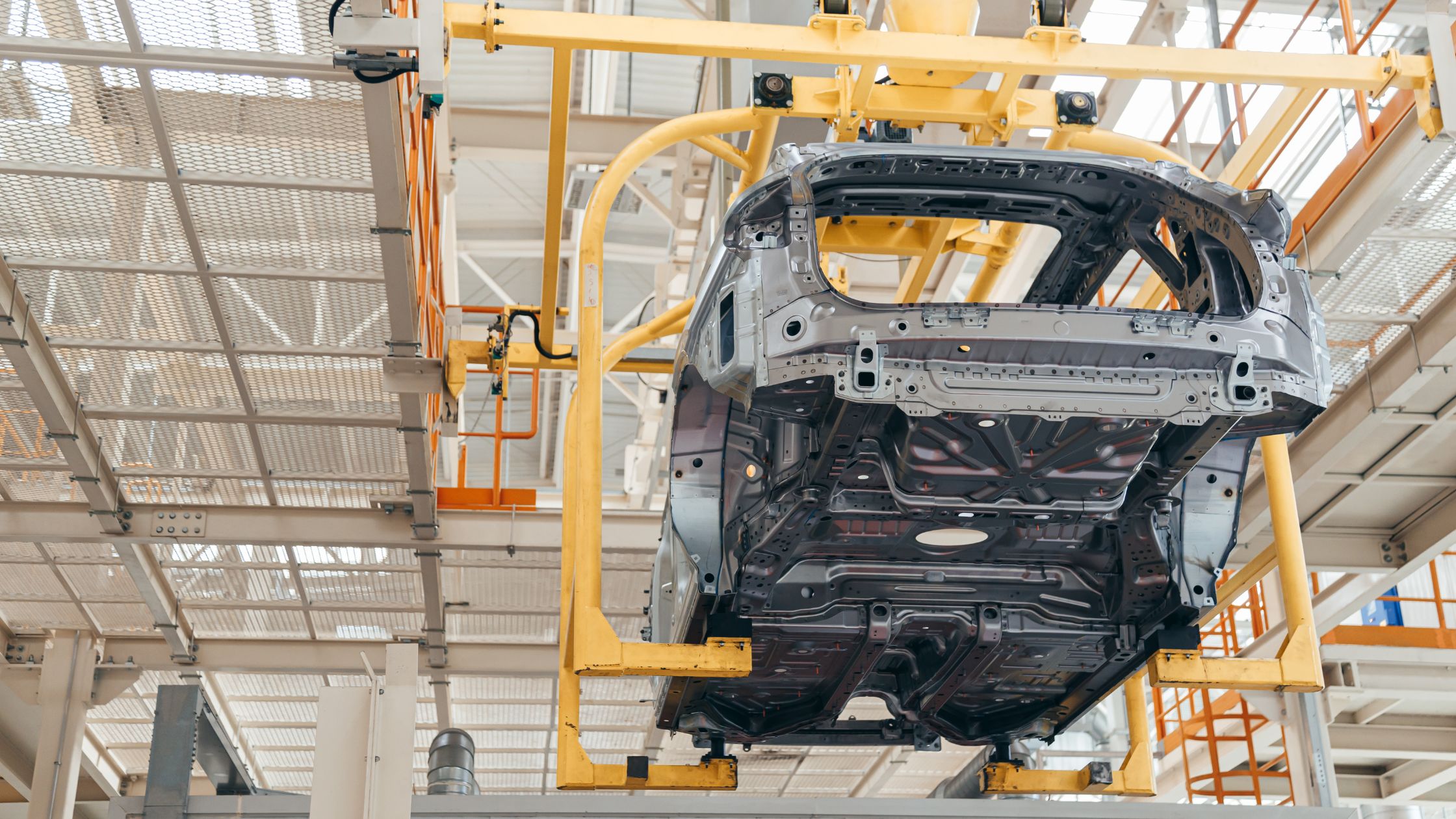
- BIW (Body-In-White) parts
- Automotive assemblies
Product Design Projects
- Consumer products
- Plastic components
- Mechanical mechanisms
- Industrial equipment parts
Reverse Engineering Projects
Students analyze existing products and recreate them using CAD software.
Project experience helps build a strong portfolio that can be showcased during interviews.
How Internships Improve Technical Skills
Many students know software commands but struggle to apply them in practical situations.
Internships help students develop:
- CAD modeling skills
- Engineering drawing interpretation
- Product development understanding
- Problem-solving ability
- Manufacturing knowledge
- Documentation practices
- Design validation techniques
These skills are valued by recruiters looking for entry-level design engineers.
Professional Skills Developed During an Internship
Technical knowledge alone is not enough in today’s industry.
Internships also improve:
- Communication skills
- Teamwork
- Time management
- Presentation skills
- Professional behaviour
- Reporting skills
These soft skills often make a significant difference during campus placements and interviews.
How a Mechanical Design Internship Helps During Interviews
Interviewers frequently ask practical questions rather than only theoretical ones.
Examples include:
- Explain a project you worked on.
- What challenges did you face?
- Which CAD software have you used?
- How did you solve a design problem?
- What manufacturing considerations did you follow?
Students with internship experience can provide real examples instead of theoretical answers.
This makes their responses more convincing and demonstrates practical engineering knowledge.
Career Opportunities After a Mechanical Design Engineering Internship
A design engineering internship helps students identify their preferred career path.
Potential job roles include:
- Design Engineer
- CAD Engineer
- Product Design Engineer
- BIW Design Engineer
- Sheet Metal Design Engineer
- Plastic Design Engineer
- Mechanical Design Engineer
- R&D Engineer
- CAD Automation Engineer
Students looking for guidance can also read:
Career Guidance for Fresh Mechanical Engineering Graduates
Common Mistakes Interns Should Avoid
To get maximum value from an internship, avoid these mistakes:
- Focusing only on software commands
- Ignoring engineering fundamentals
- Avoiding questions when concepts are unclear
- Not documenting project work
- Treating the internship as only a certificate program
- Copying project work without understanding it
The goal of an internship should be learning and skill development.
Who Should Join a Mechanical Design Engineering Internship?
A mechanical design internship is beneficial for:
- Third-year mechanical engineering students
- Final-year mechanical engineering students
- Diploma mechanical students
- Recent graduates
- Students interested in CAD careers
- Aspiring Product Design Engineers
- Aspiring Automotive Design Engineers
Starting early gives students more time to develop industry-relevant skills before placements begin.
Ready to Start Your Design Engineering Career?
A Mechanical Design Engineering Internship provides much more than software training. It helps students gain practical experience, work on real projects, improve interview performance, and build confidence for their future careers.
If you want to develop industry-ready skills in CATIA, NX CAD, CREO, SolidWorks, BIW Design, Plastic Design, Engineering Fundamentals, and Design Projects, explore CADCAMGURU’s placement-oriented Mechanical Design programs:
Apply for Mechanical Design Placement Courses:
Admission Enquiry:
Early preparation gives students an advantage during campus placements and fresher recruitment drives. New batches are starting soon.
Contact CADCAMGURU
📞 Phone / WhatsApp: +91 9168603427 / +91 9168601733
