
In modern manufacturing, human error is one of the biggest causes of production loss, quality issues, and safety risks. Small mistakes in settings, calculations, or manual operations can lead to defective products, machine damage, or costly downtime.
This is where Industrial Automation plays a powerful role. By using technologies like PLC, SCADA, HMI, VFD, Sensors, and Robotics, industries can significantly reduce errors and improve consistency.
Let’s understand this in a simple and practical way.
What is Human Error in Manufacturing?
Human error happens when manual processes depend heavily on concentration, memory, or physical effort. Even skilled operators can make mistakes due to:
- Fatigue from repetitive work
- Incorrect machine settings
- Misreading measurements
- Communication gaps
- Delayed response to problems
Example:
A worker may set the wrong temperature or speed on a machine, causing defective output.
5 Ways Automation Reduces Human Error
1. Accurate Machine Control using PLC
Programmable Logic Controllers (PLC) execute tasks based on predefined logic. Once programmed correctly, the system performs operations consistently without variation.
Example:
A PLC ensures that a motor runs at the correct speed every time.
Popular PLC brands used in industries:
- Siemens PLC
- Allen Bradley PLC
- Delta PLC
- Fuji PLC
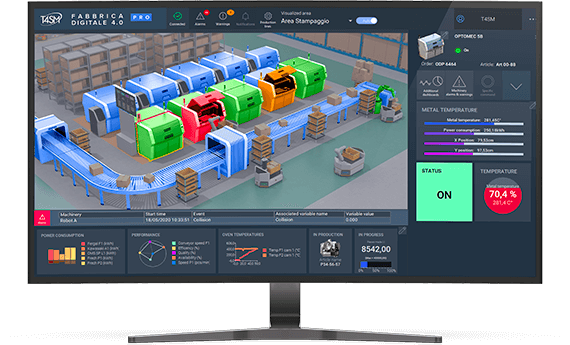
2. Real-Time Monitoring with SCADA Systems
SCADA (Supervisory Control and Data Acquisition) allows engineers to monitor production in real time.
Benefits:
- Detect faults instantly
- Reduce chances of unnoticed mistakes
- Maintain production quality
SCADA dashboards show alarms when parameters exceed limits.
3. HMI Improves Operator Interaction
HMI (Human Machine Interface) displays machine data in a clear visual format.
Instead of complex manual adjustments, operators can:
- Press buttons on screen
- Select predefined settings
- Monitor alerts easily
This reduces confusion and improves decision-making.
4. Sensors Improve Accuracy
Sensors detect parameters such as:
- Temperature
- Pressure
- Position
- Speed
Machines automatically adjust based on sensor data, reducing reliance on manual measurement.
Example:
A proximity sensor ensures objects are correctly positioned before machine operation starts.
5. VFD Controls Motor Speed Precisely
VFD (Variable Frequency Drive) automatically controls motor speed based on process requirements.
Advantages:
- Prevents overheating
- Reduces mechanical stress
- Ensures consistent product quality
Before vs After Automation
| Factor | Manual Process | Automated Process |
|---|---|---|
| Accuracy | Depends on operator | Highly consistent |
| Production Speed | Variable | Optimized |
| Error Rate | Higher | Much lower |
| Safety | Risk of accidents | Improved safety |
| Monitoring | Manual checking | Real-time tracking |
Why Students Should Learn Industrial Automation
Industries prefer engineers who understand:
- PLC Programming
- SCADA systems
- HMI design
- Sensors & Instrumentation
- Industrial Communication Protocols
Automation skills increase job opportunities in:
- Manufacturing companies
- Automotive industries
- Pharmaceutical plants
- FMCG production
- Smart factories (Industry 4.0)
Career Opportunities in Automation
Popular job roles:
- PLC Programmer
- Automation Engineer
- SCADA Engineer
- Maintenance Engineer
- Industrial IoT Engineer
Freshers with practical skills often get faster placement opportunities compared to only theoretical knowledge.
How CADCAMGURU Helps You Build Practical Skills
CADCAMGURU ACE Courses focus on hands-on learning with real industrial software and hardware such as:
- Siemens PLC
- Allen Bradley PLC
- Delta PLC
- HMI Programming
- SCADA systems
- Industrial networking
Students from Maharashtra benefit from industry-oriented training designed to match company requirements.
